
Light does more than illuminate a room; it quietly influences how we feel throughout the day. It helps the body stay alert when needed, slow down in the evening, and prepare naturally for sleep. This is where circadian lighting becomes useful. Instead of using the same brightness and color temperature all day, lighting shifts naturally throughout the day to stay in sync with the body’s internal rhythm.
A thoughtful home lighting design can make mornings feel more energizing and evenings more relaxing. The key is to plan lighting around the purpose and daily activities of each room.
What Is Circadian Lighting?
Circadian rhythm lighting is designed around the body’s 24-hour internal clock, or circadian rhythm. During the day, brighter and cooler light can support alertness. In the evening, warmer and softer tones help signal that it is time to unwind.
This concept has a lot in common with human-centric lighting, which takes into account the comfort and well-being of people, rather than using light as a decorative element.
How to Ensure Circadian Lighting While Designing?
Creating effective circadian lighting starts with understanding how light affects the body at different times of the day. The following steps can help bring this approach into everyday home design.
Living Room: Keep Daytime Bright and Evenings Soft
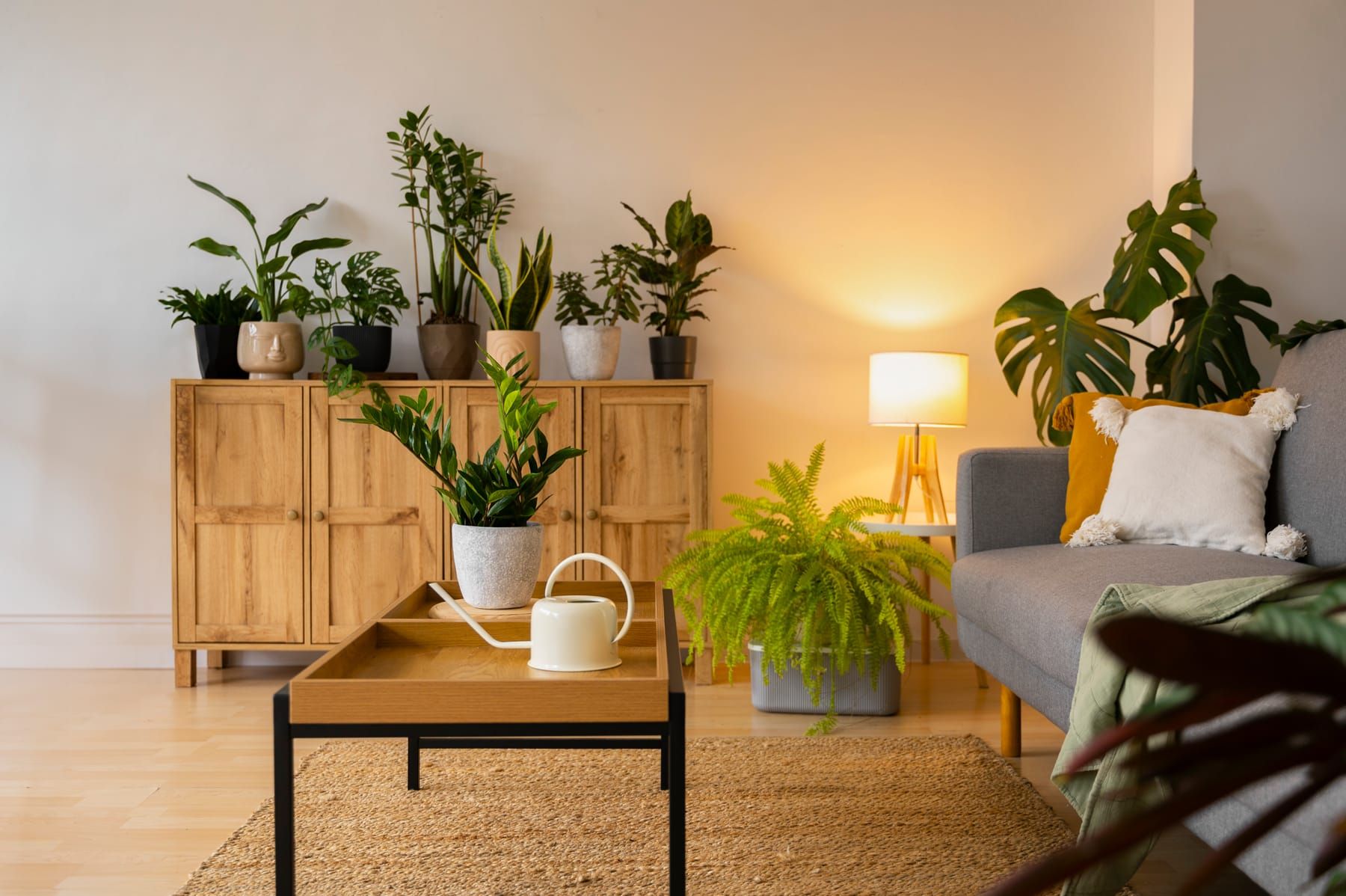
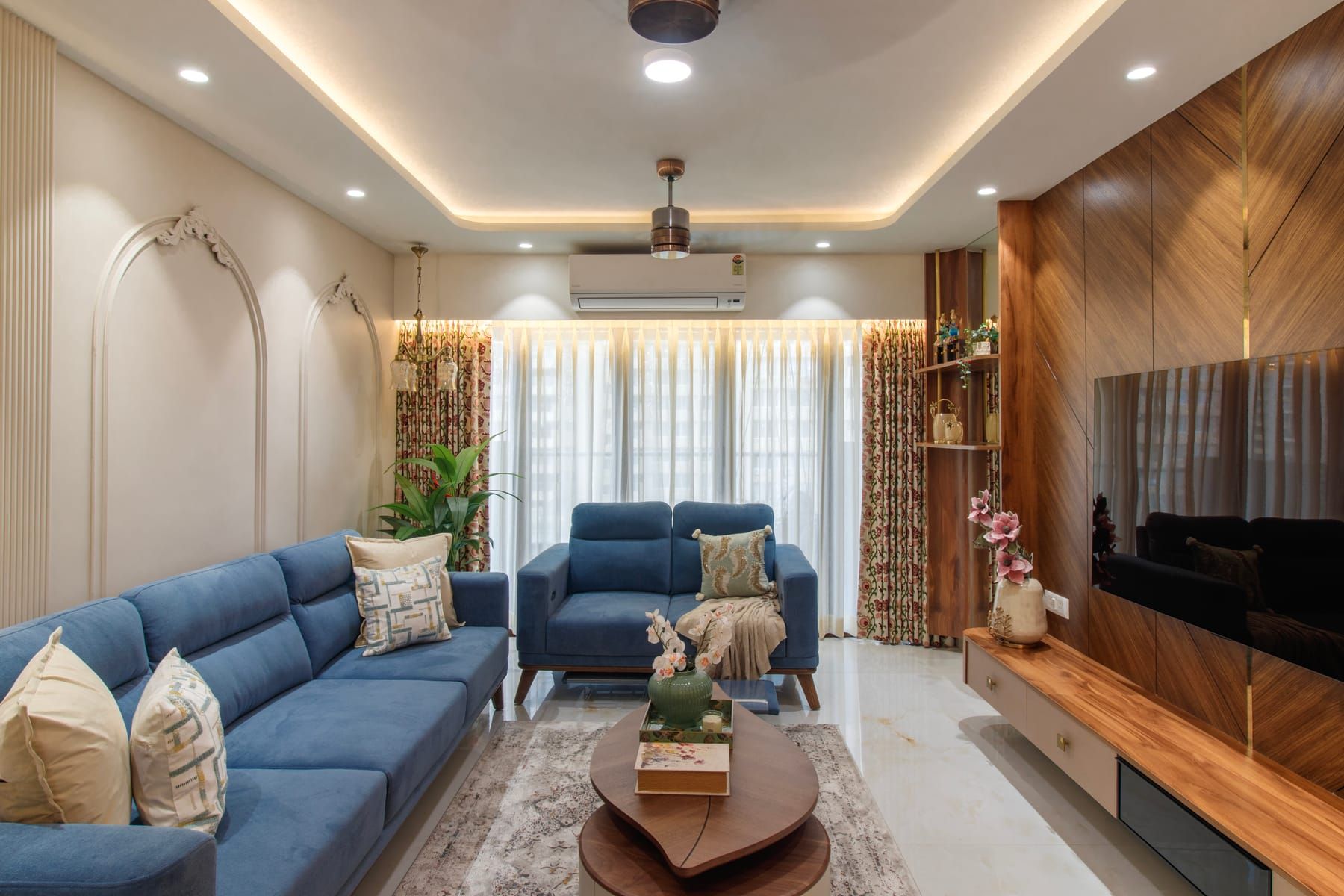
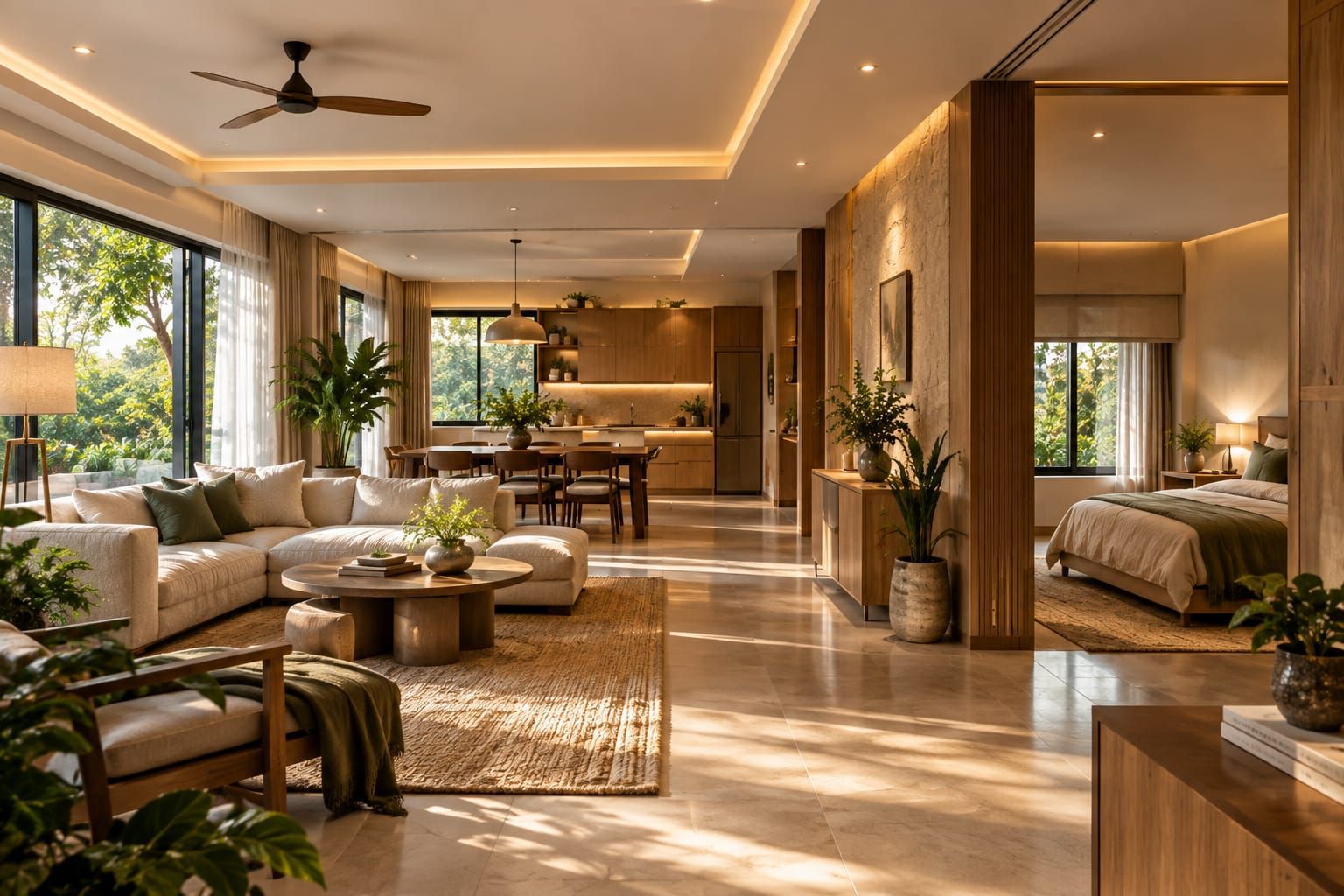
The living room often needs to work in several different ways. It may be used for reading, working, relaxing, or entertaining. During the day, take advantage of natural light by leaving window spaces open and using lighter curtains if possible. Lamps and ceiling lighting can assist in providing brighter daylight lighting, where required. For evening lighting, avoid relying entirely on bright overhead fixtures.
Bedroom: Prioritize Sleep-Friendly Lighting
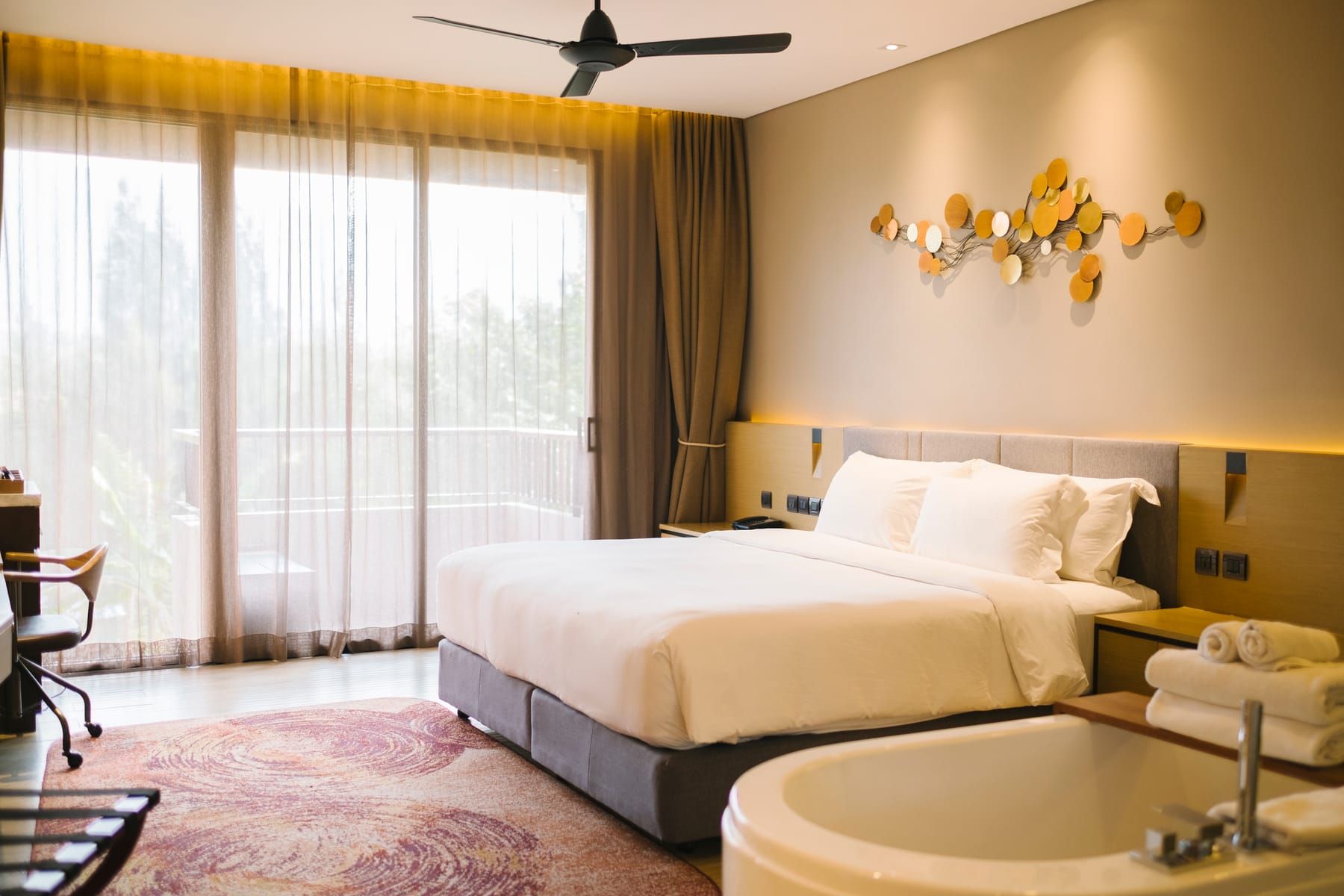
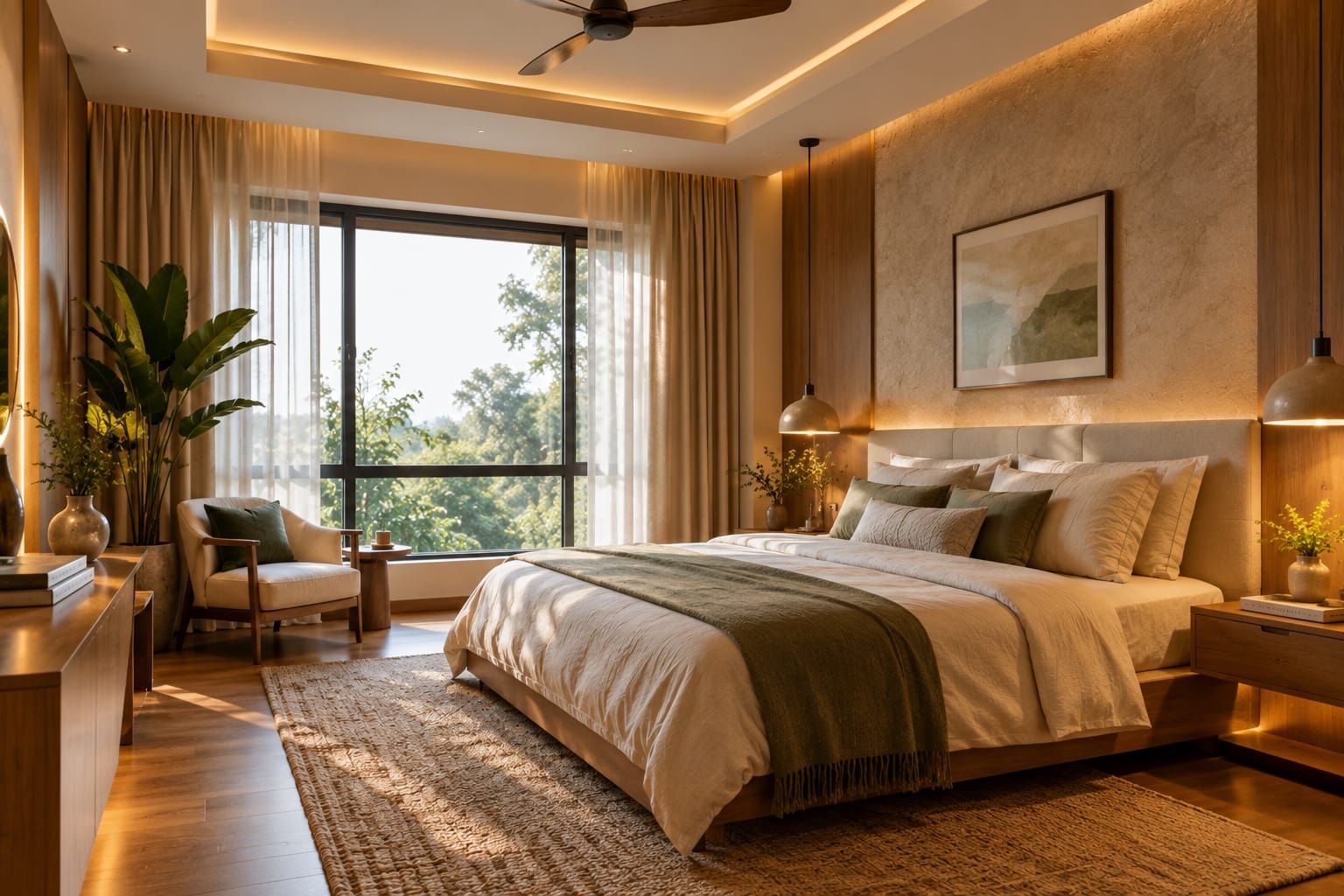
The bedroom is where circadian planning can make the biggest difference. Bright, cool light late at night can make a room feel too stimulating. Instead, focus on sleep-friendly lighting with warmer tones and lower brightness levels in the hours before bed. Good bedroom lighting ideas might include bedside lamps, dimmable wall lights, and soft indirect glows. If possible, avoid fixtures that shine directly into the eyes while lying in bed. Morning light matters too. Opening curtains soon after waking can help the body adjust naturally to the daytime rhythm.
Kitchen: Use Brighter Light During Active Hours
Kitchens need practical, clear lighting because they are working spaces. During breakfast and daytime meal preparation, brighter lights create an active and comfortable atmosphere in the room. For proper lighting design at home, the kitchen must be able to create a softer environment during the nighttime. This is especially true if there is a dining area, where dimming of lights will be necessary after preparing meals.
Home Office: Support Focus Without Glare
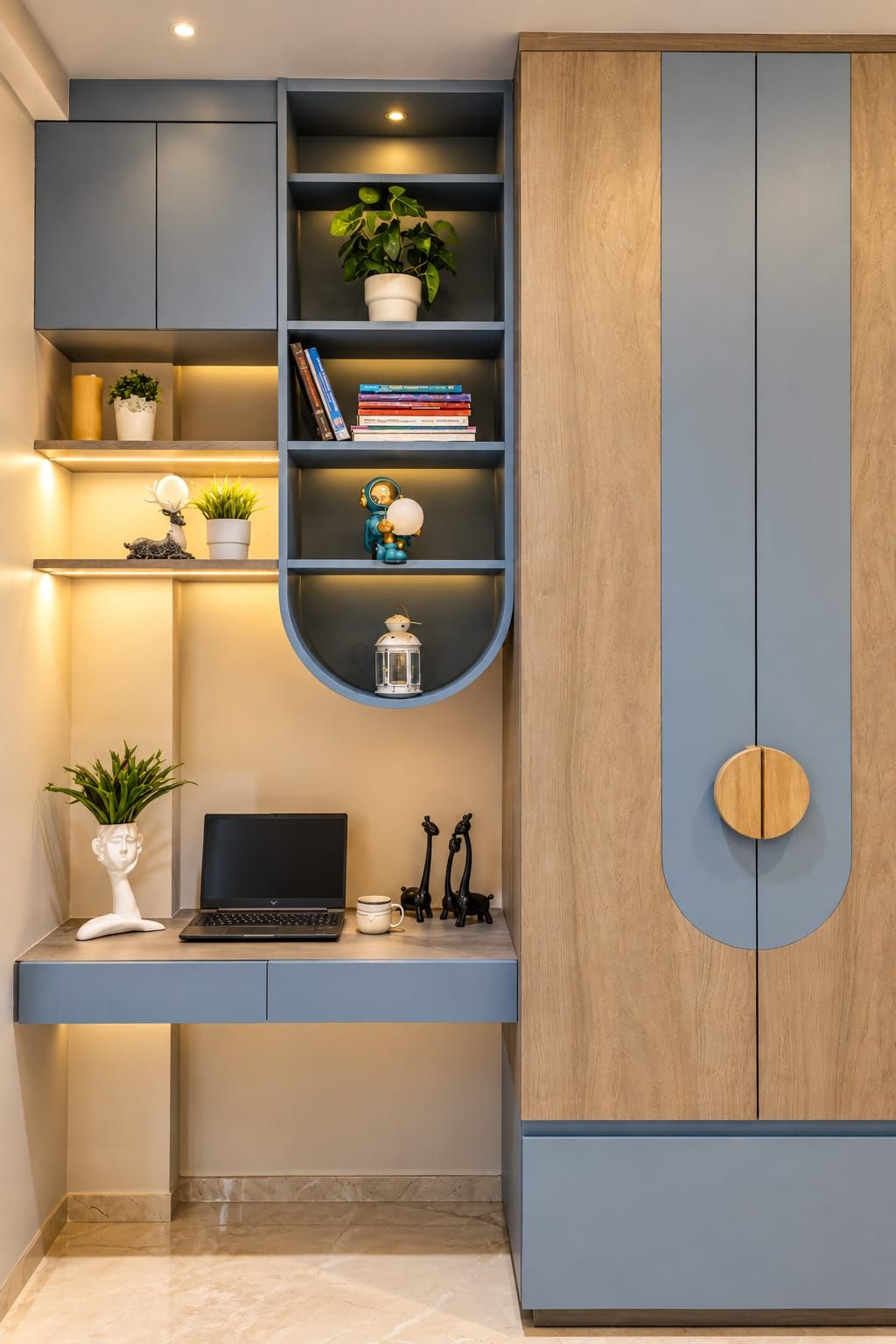
A home office benefits from strong daylight whenever possible. Positioning a desk near a window can support natural lighting design, but avoid placing the screen where direct sunlight creates glare. A combination of daylight and focused task lighting usually works better than one extremely bright ceiling light. Cooler lighting temperature during working hours can help the room feel more alert and functional. Toward the end of the day, reducing brightness can make the transition from work to rest feel more natural.
Bathroom: Think About Morning and Evening Use
Bathrooms need clear lighting, but the same setup does not work equally well at every hour. In the morning, brighter mirror lighting can support grooming and help the space feel fresh. At night, however, very strong white light can feel harsh. Consider layered interior lighting ideas, such as separate mirror lights and softer ambient fixtures. This gives you the option to use lower, warmer light during late-night visits without fully waking yourself up.
Dining Room: Create a Natural Evening Transition
Dining areas are usually used later in the day, so lighting should gradually become softer. A pendant above the table can provide the main light source, while wall lights or nearby lamps help create depth around the room. Dimming these fixtures after sunset can support a calmer evening atmosphere. Warm-toned LED lighting works particularly well here, especially when paired with natural materials such as timber, linen, and stone.
Hallways and Transitional Spaces
Hallways are often overlooked in healthy home design, yet they connect all the major rooms. Bright lighting can be useful during the day, but at night, overly bright hallways may disrupt the calm atmosphere created in the rest of the home. Use of low-level lighting or motion-activated floor lighting may help with navigating the hall without making the space overly bright.
Frequently Asked Questions
Why is circadian rhythm lighting important?
Planning lighting according to your circadian rhythm is important because it promotes better sleep, boosts daytime focus and alertness, ensures a healthier mood, and prevents confusion or fatigue caused by long working hours.
For which rooms should circadian lighting design be considered the most?
The two most important rooms in your home where circadian lighting is the most important are bedrooms and home offices. Such lighting matters in spaces where you spend long hours working or going to sleep.
Which lights are perfect for stimulating sleep?
Sleep stimulation comes from red, amber, and low-intensity warm-white lights, so make sure to plan your home lighting design accordingly.
Can LED lighting be used for circadian rhythm lighting design?
Yes. In fact, LED lighting is one of the most popular solutions for homeowners who want human centric lighting in their living spaces. This is because it offers precise control over the color temperature and intensity.
Final Thoughts
Good circadian lighting is less about buying complicated technology and more about paying attention to timing, brightness, and natural daylight. Let rooms feel brighter when the household is active and softer as the day comes to an end. When combined with natural materials, thoughtful window placement, and comfortable furniture, lighting becomes part of broader wellness interiors.
Design a home that works with your body clock
Explore SpazioLiv for thoughtful interior solutions that bring comfort, function, and a greater sense of wellbeing into everyday living.
Book Your Free Consultation