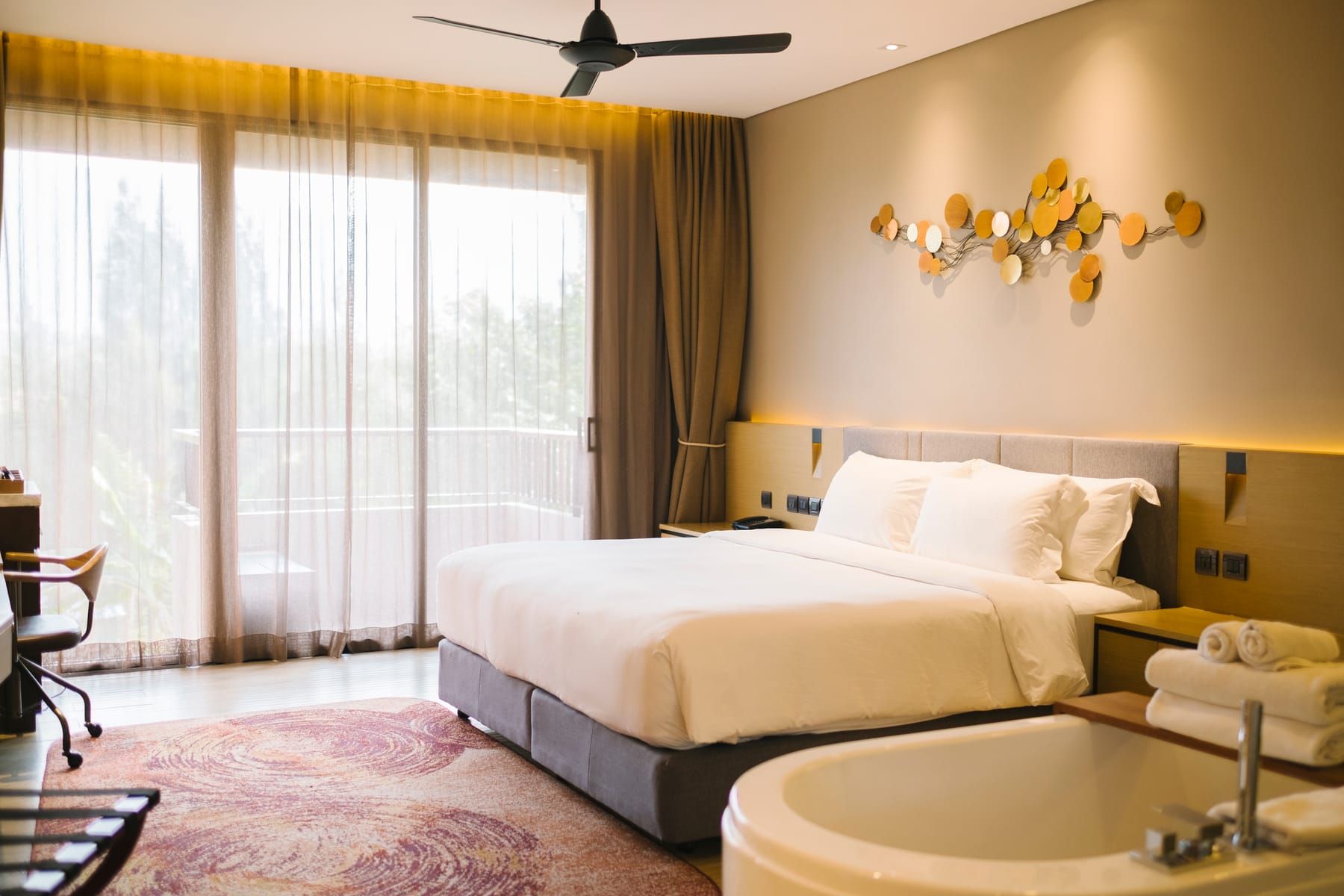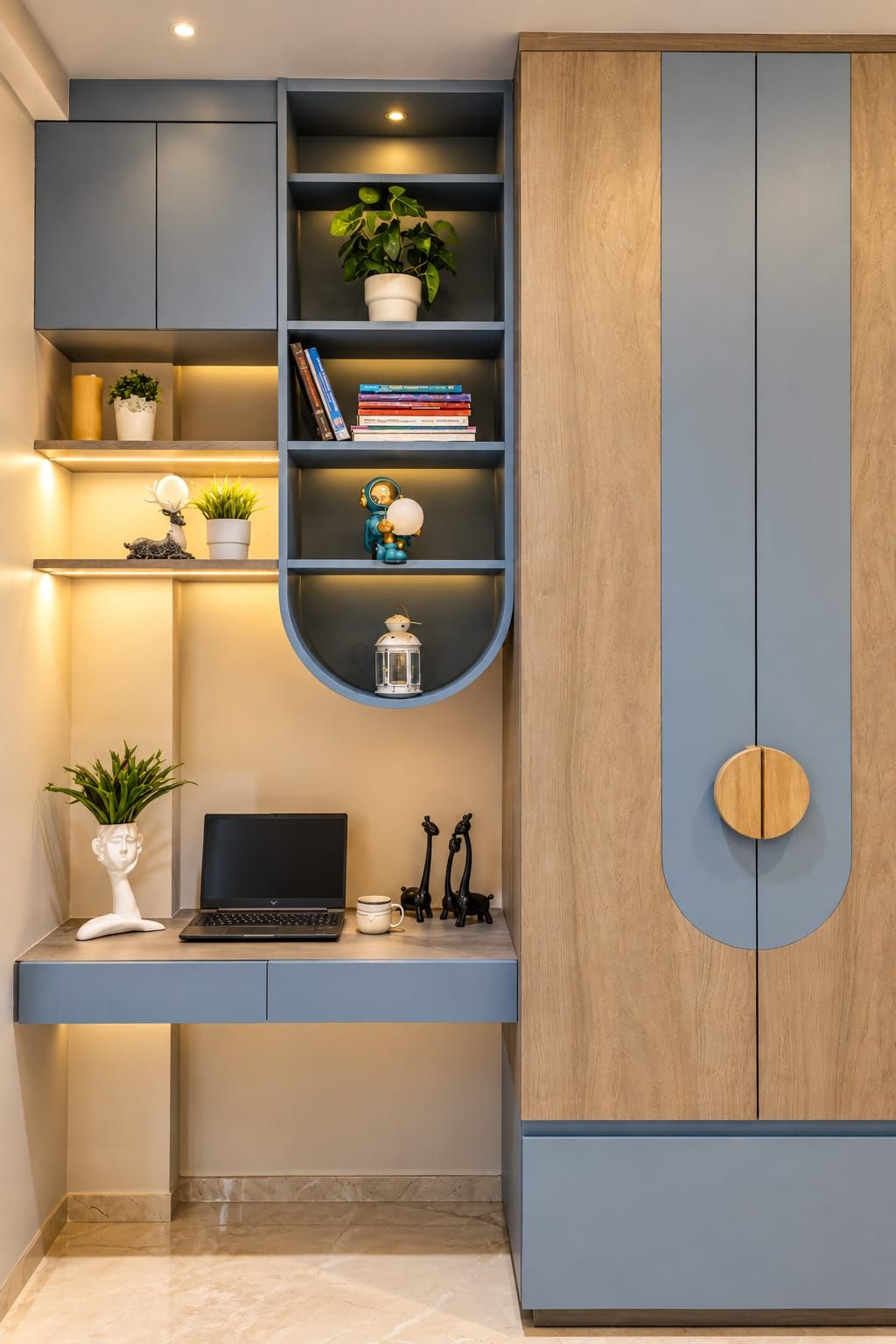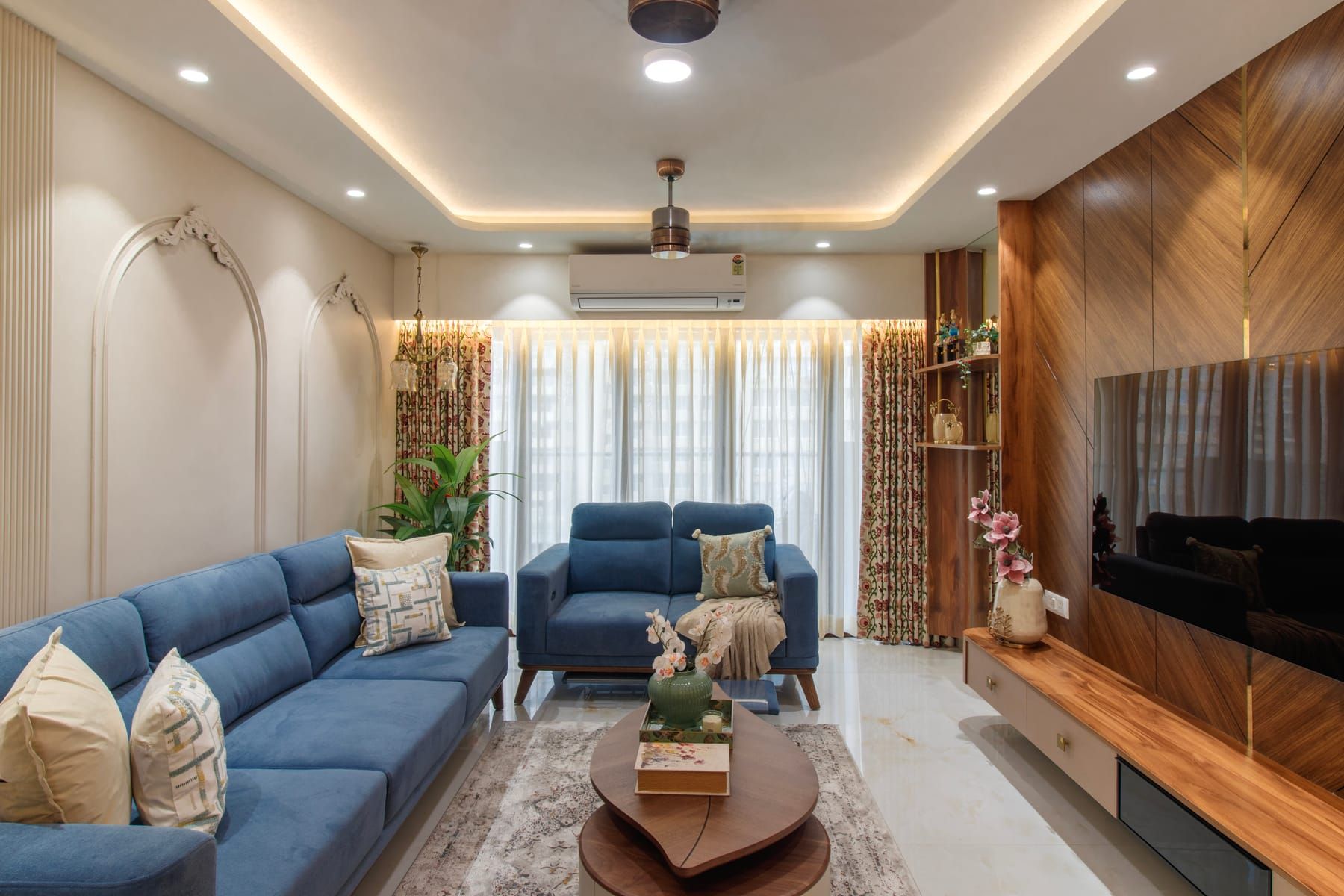

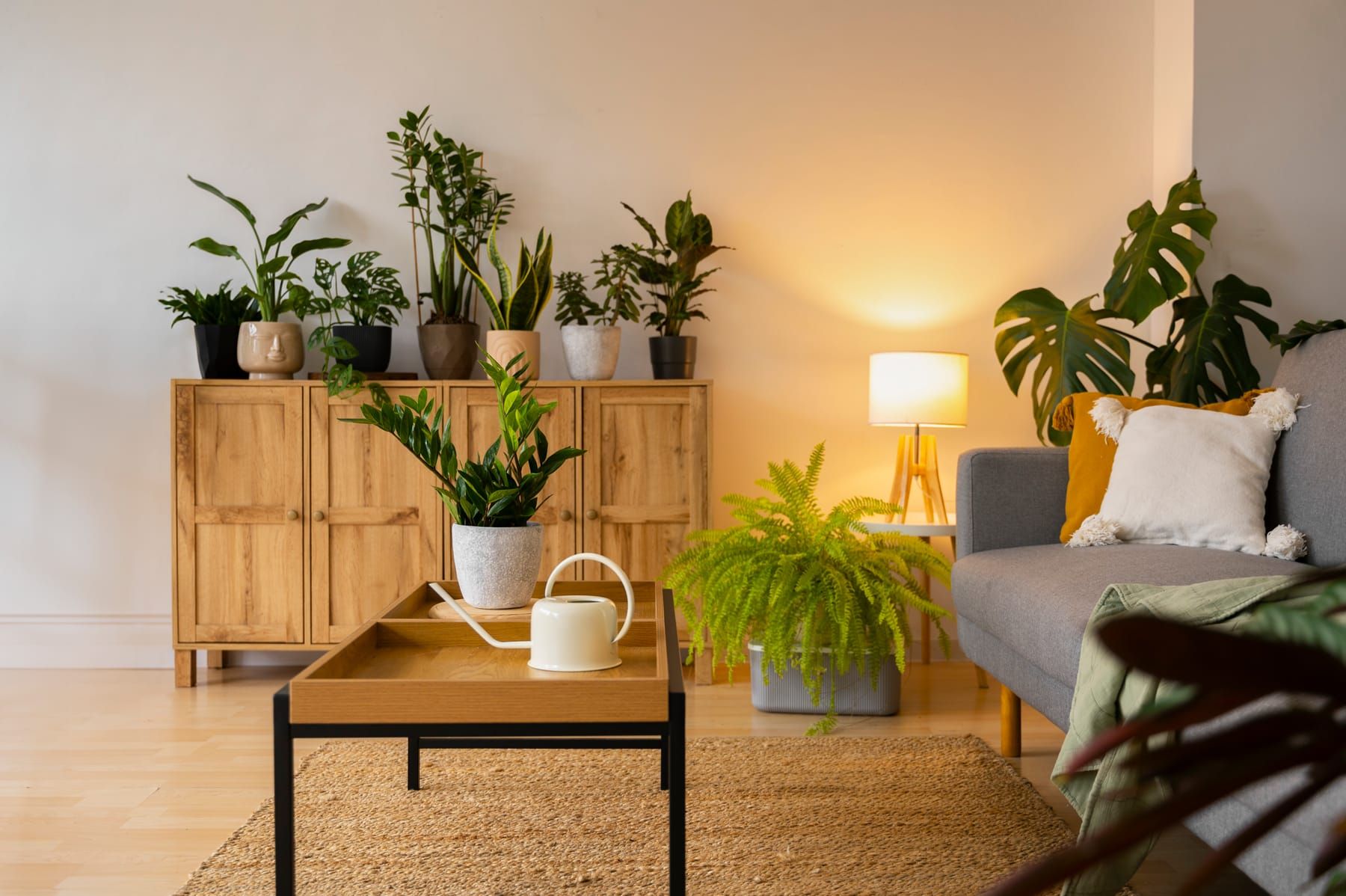
Even a touch of greenery can instantly make a room feel fresher and more inviting, but biophilic design goes much further than placing greenery on a windowsill. It looks at how a home can maintain a stronger connection with nature through plants, daylight, materials, views, airflow, and even the shapes used throughout a room.
An active living wall can become an important part of that connection. Unlike decorative artificial greenery, it is made up of living plants that need light, water, and regular care. When done properly, it becomes part of how the room feels and functions.
Steps to Integrate Biophilic Design within an Active Living Wall
Bringing biophilic design into a living wall starts with a few thoughtful choices that help nature feel truly connected to the space.
Start by Finding the Right Wall
Before thinking about plants, look carefully at the space itself. A wall that receives some indirect daylight is usually easier to work with than a dark corner. Consider windows, air conditioning, electrical outlets, and footfall around the room. Green walls should not crowd narrow passages or obstruct furniture movement. If there is not enough daylight, it might be appropriate to provide proper grow lighting. It is important to achieve an environment where plants will be able to live rather than just look good in pictures.
Choose Plants for the Conditions You Actually Have
It’s interesting to select plants entirely by appearance, but a successful wall needs species suited to its surroundings. Some ferns, pothos, philodendrons, and other indoor plants can adapt well to home environments. However, light levels, temperature, humidity, and watering requirements should guide the final selection. Mixing plants with similar needs makes ongoing care considerably easier. Air purifying plants are often ideal for indoor planting schemes, but their appearance, mature size, and maintenance requirements matter too. A well-planned wall will always look better than one filled with unsuitable plants.
Decide How Active the Living Wall Should Be
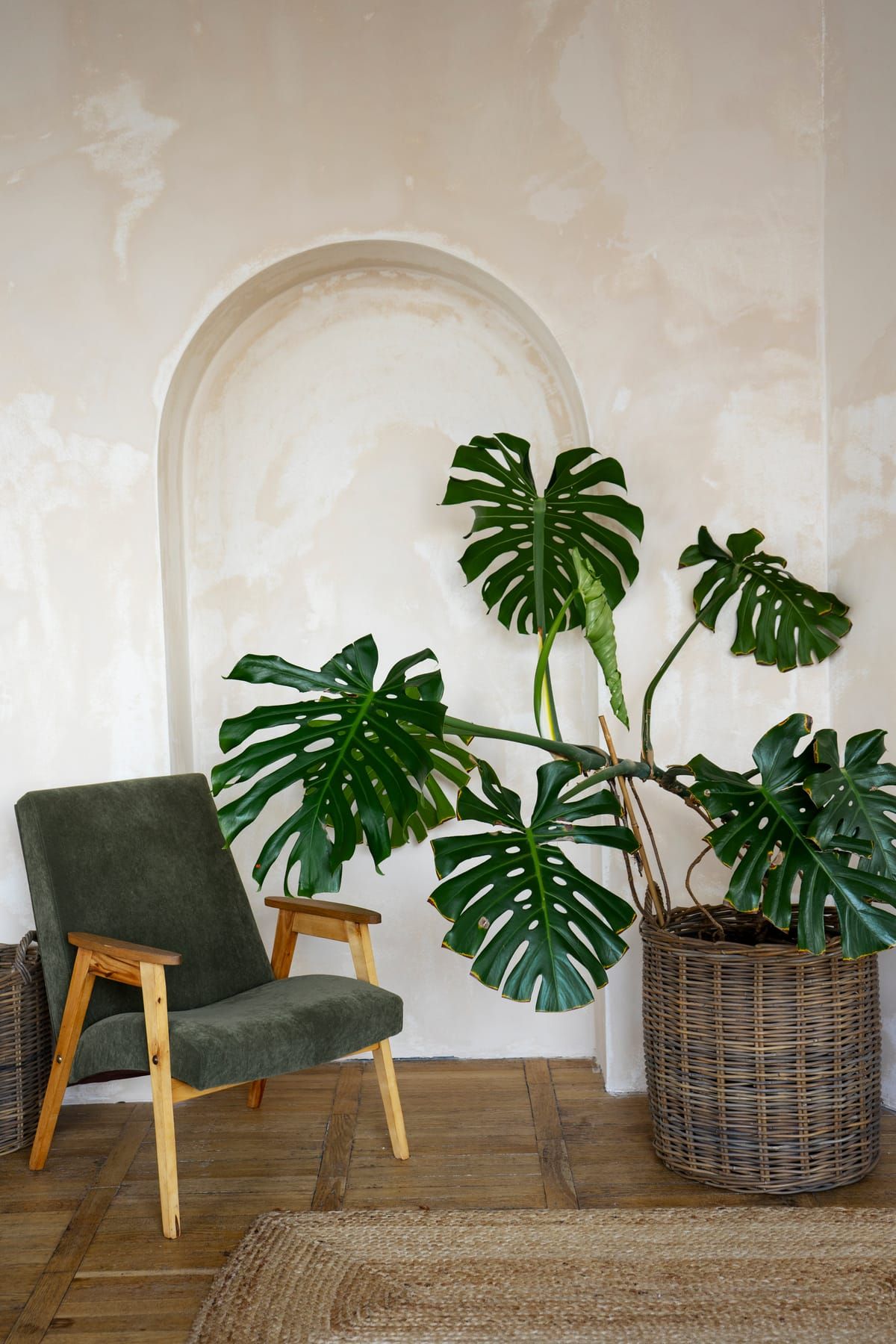
Not every plant wall needs an elaborate built-in irrigation system. Smaller structures may need removable planters for easy watering. Larger installations, on the other hand, usually require integrated irrigation and drainage systems, especially if they cover a large portion of the wall. This should be done early in order to avoid future difficulties.
Let the Rest of the Room Support Indoor Greenery
A living wall can be striking, so the surrounding interior doesn’t need to compete with it. Natural timber, stone, linen, wool, cork, and earthy finishes sit comfortably alongside indoor greenery. Their textures reinforce the connection with nature without requiring every corner to contain another plant. This is where nature inspired interiors can feel especially convincing. Instead of adding botanical patterns everywhere, allow real materials and greenery to provide visuals. The result is a space that feels calm, natural, and thoughtfully put together rather than overly themed.
Work With Natural Lighting
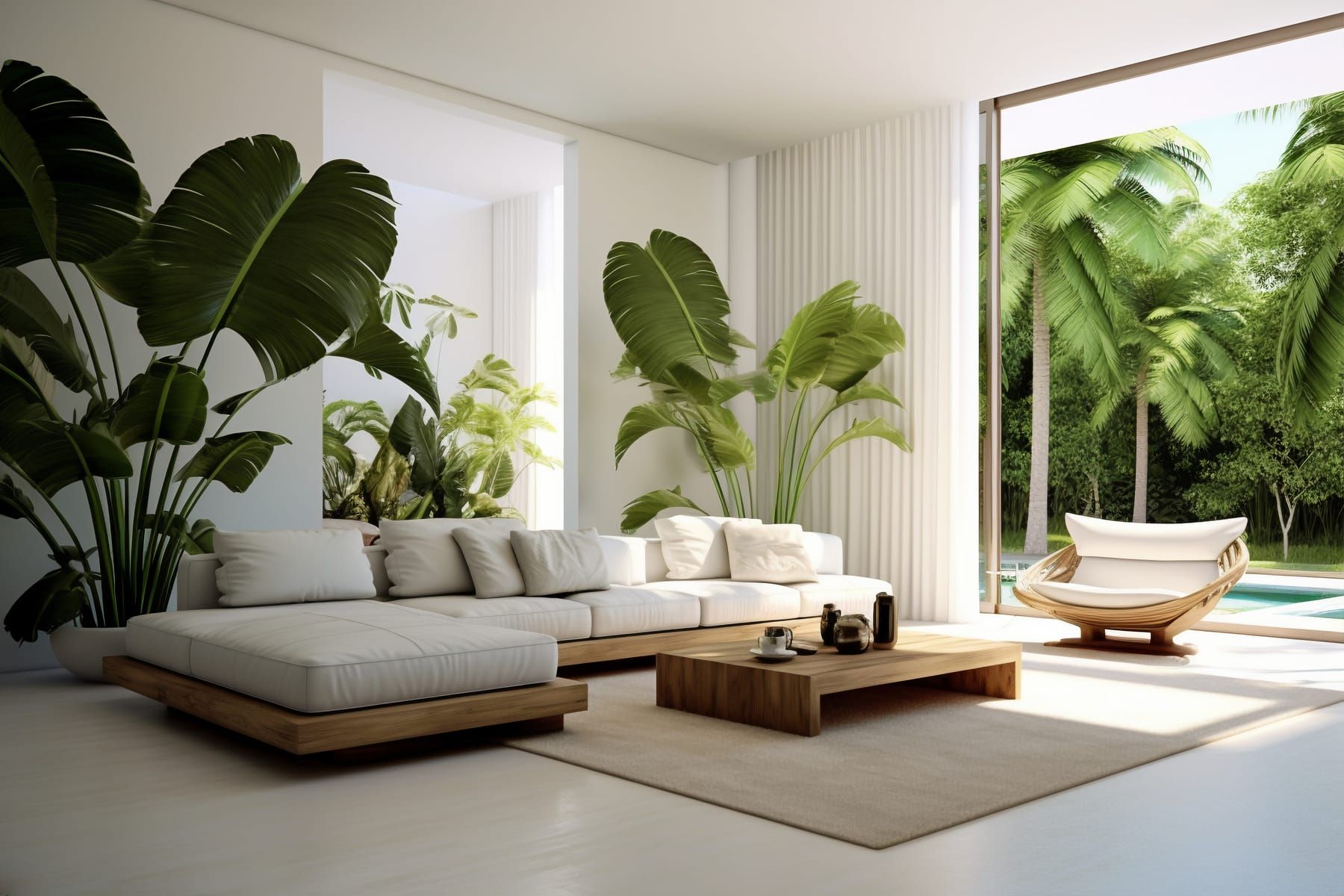
Light has an enormous influence on both plants and people. Whenever possible, arrange living areas to make the most of natural light throughout the day. Sheer curtains can soften harsh sunlight without completely blocking it, while mirrors may help carry light further into the room. The living wall itself will change as daylight moves across it. Leaves, shadows, and different shades of green create small variations throughout the day, giving the interior a quality that static decoration cannot quite reproduce.
Connect the Wall With Smaller Plant Moments
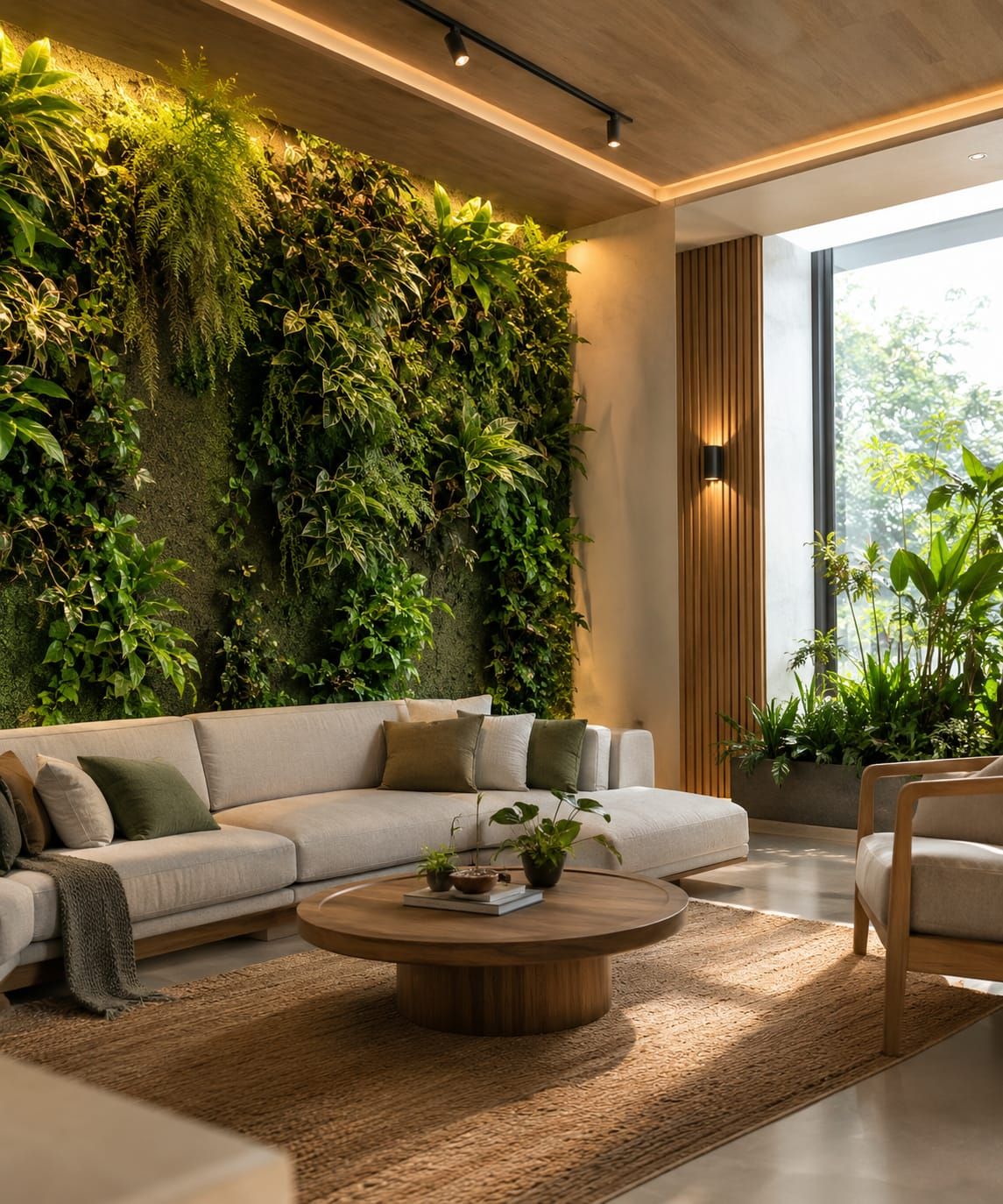
A large vertical garden doesn’t mean every other plant needs to disappear. Carefully positioned pots carry greenery into the rest of the room. For example, a living wall in the dining area might be echoed by a small plant on a console or a taller floor plant near a window. These simple indoor garden ideas create continuity without turning the house into a greenhouse. When exploring vertical garden ideas, think about the entire room rather than treating the wall as an isolated feature.
Keep Furniture Simple Around the Living Wall
A dense botanical wall already contains plenty of color, texture, and movement. Placing highly patterned furniture directly in front of it can make both elements harder to appreciate. Simple furniture shapes and subtle fabrics allow the greenery to take centre stage. Wood, warm neutrals, muted greens, and soft greys are easy companions.
Frequently Asked Questions
What is a biophilic design?
An architectural approach that focuses on creating nature inspired interiors to bring the people living in the space closer to greenery is called biophilic design.
What are the benefits of adding indoor plants in your home?
When you create green interiors, you get improved air quality because the plants filter toxins effectively. You also get a higher oxygen output during the day, which improves breathing and gives a freshness to your space.
How to do indoor landscaping on an active living wall?
Landscaping an active indoor living wall with air purifying plants is not difficult; you just need to focus on creating a balance between plant aesthetics and structural weight, moisture management, and specialized lighting.
What materials pair well with a living wall in eco friendly interiors?
For a sustainable interior design, the right materials need to be paired with an active living wall. The best material choices include reclaimed wood, raw steel or aluminium, organic textiles (like linen or wool felt), and low-VOC or zero-VOC paints.
Final Thoughts
An active living wall can bring an entirely different rhythm into a home. It grows, changes, and responds to its surroundings rather than remaining exactly the same year after year. Whether you’re interested in green interiors, healthy home design, or simply want more nature around you, start with the conditions your home can realistically provide. Choose plants that suit the conditions, pair them with natural materials and plenty of daylight, and let the living wall become an integral part of the room rather than simply a decorative feature.
Ready to bring nature indoors?
Explore SpazioLiv to create warm, thoughtful interiors where contemporary living feels naturally connected to the outdoors.
Book Your Free Consultation