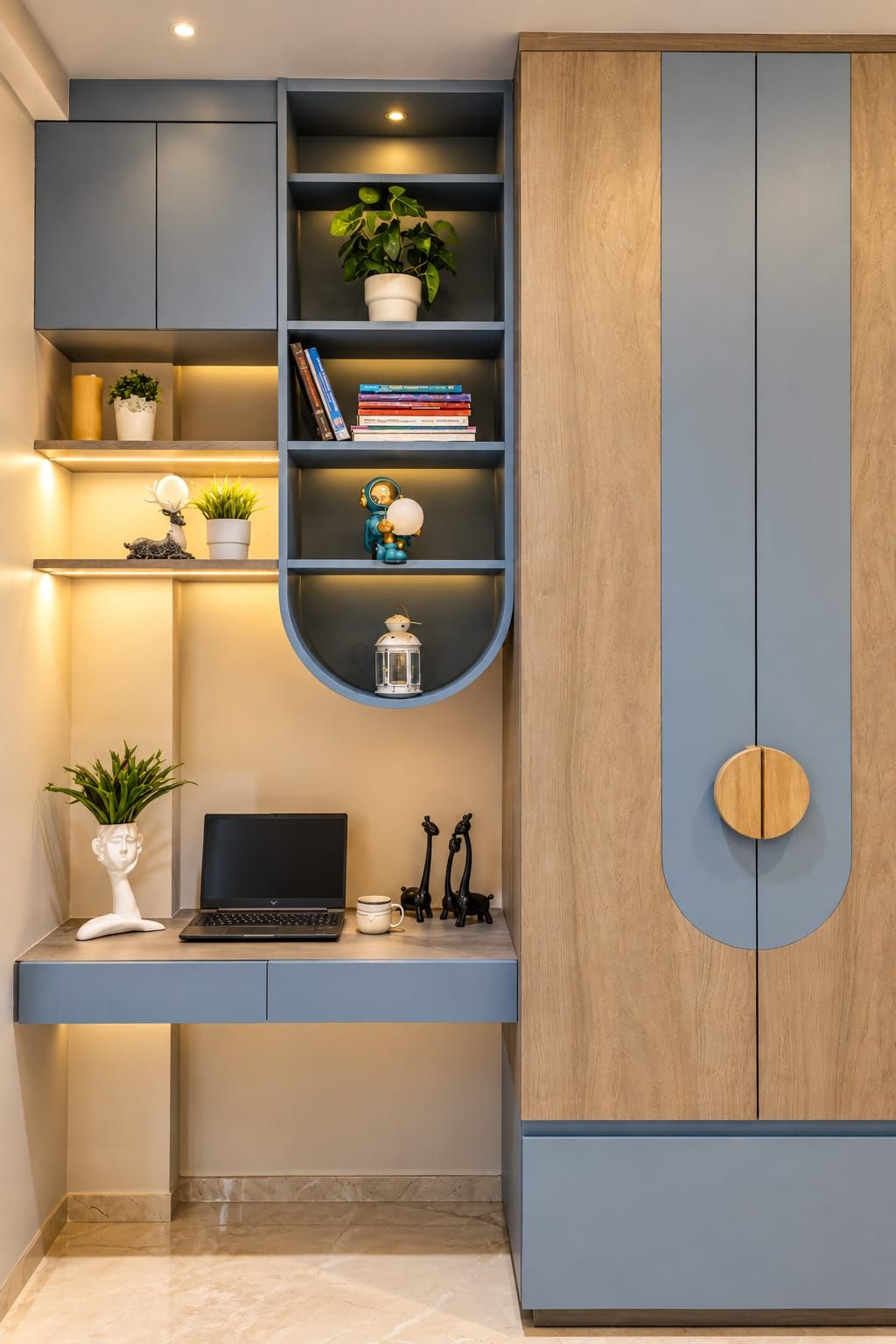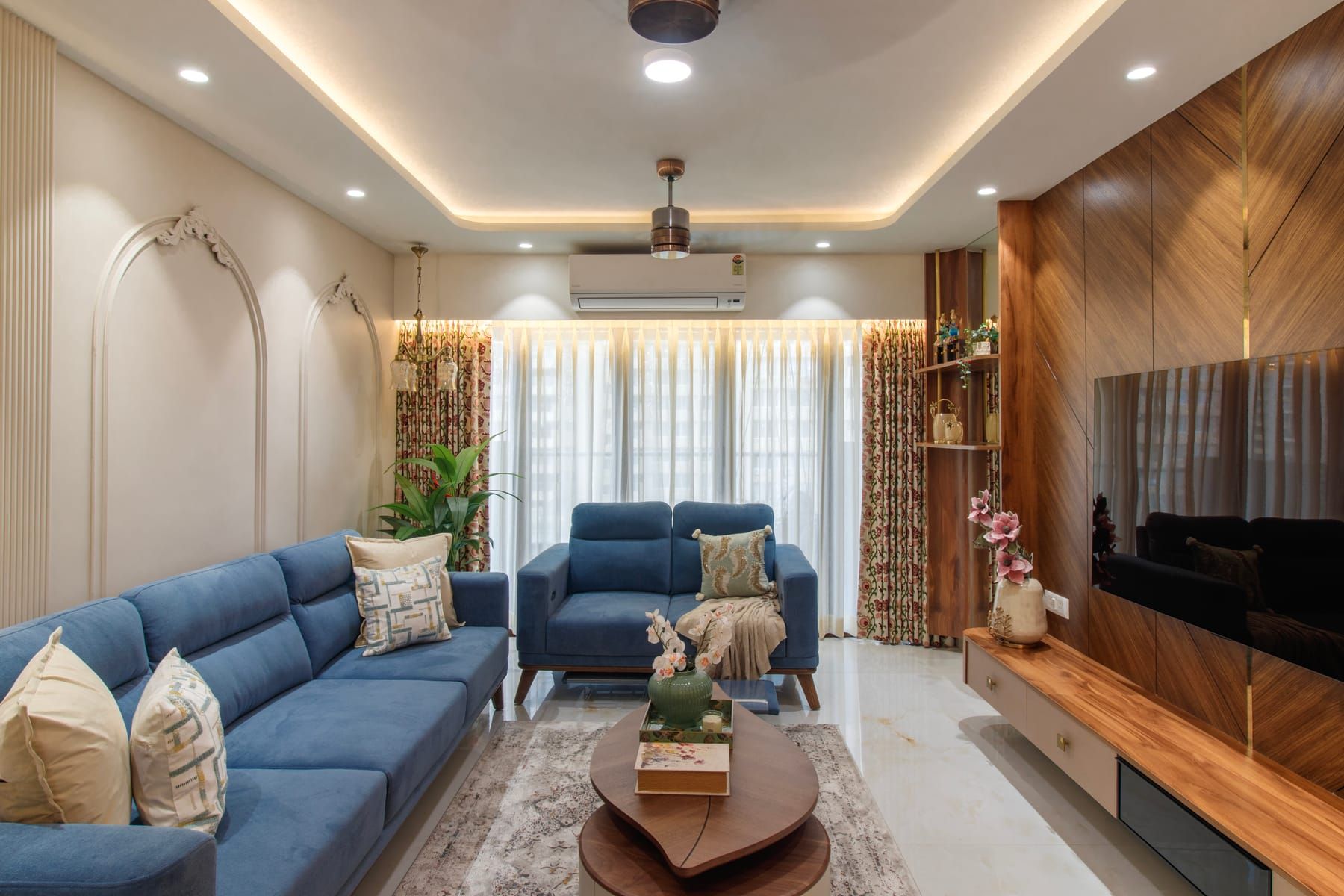

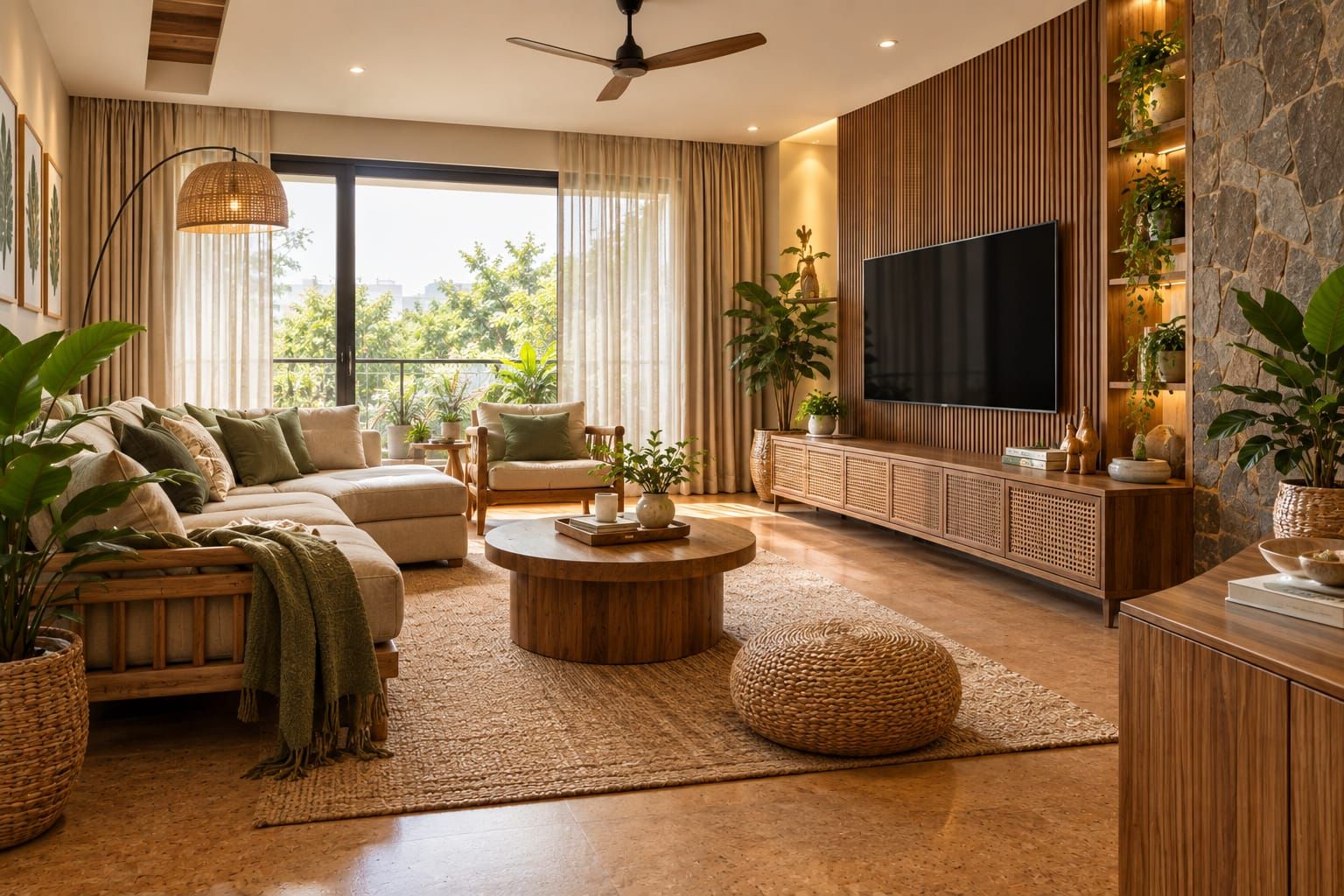
A sustainable home doesn’t have to be filled with products labelled as green. In many cases, it comes down to quieter choices: what a dining table is made from, which finish goes on the walls, or whether an old material can be given another life instead of being replaced. In 2026, the conversation around eco friendly materials is also becoming more practical. Homeowners are looking for materials that are environmentally friendly without compromising on appearance, durability, or the demands of everyday family life.
12 Sustainable Material Pairings Worth Considering in 2026
These 12 pairings bring together materials that complement each other in both appearance and everyday use:
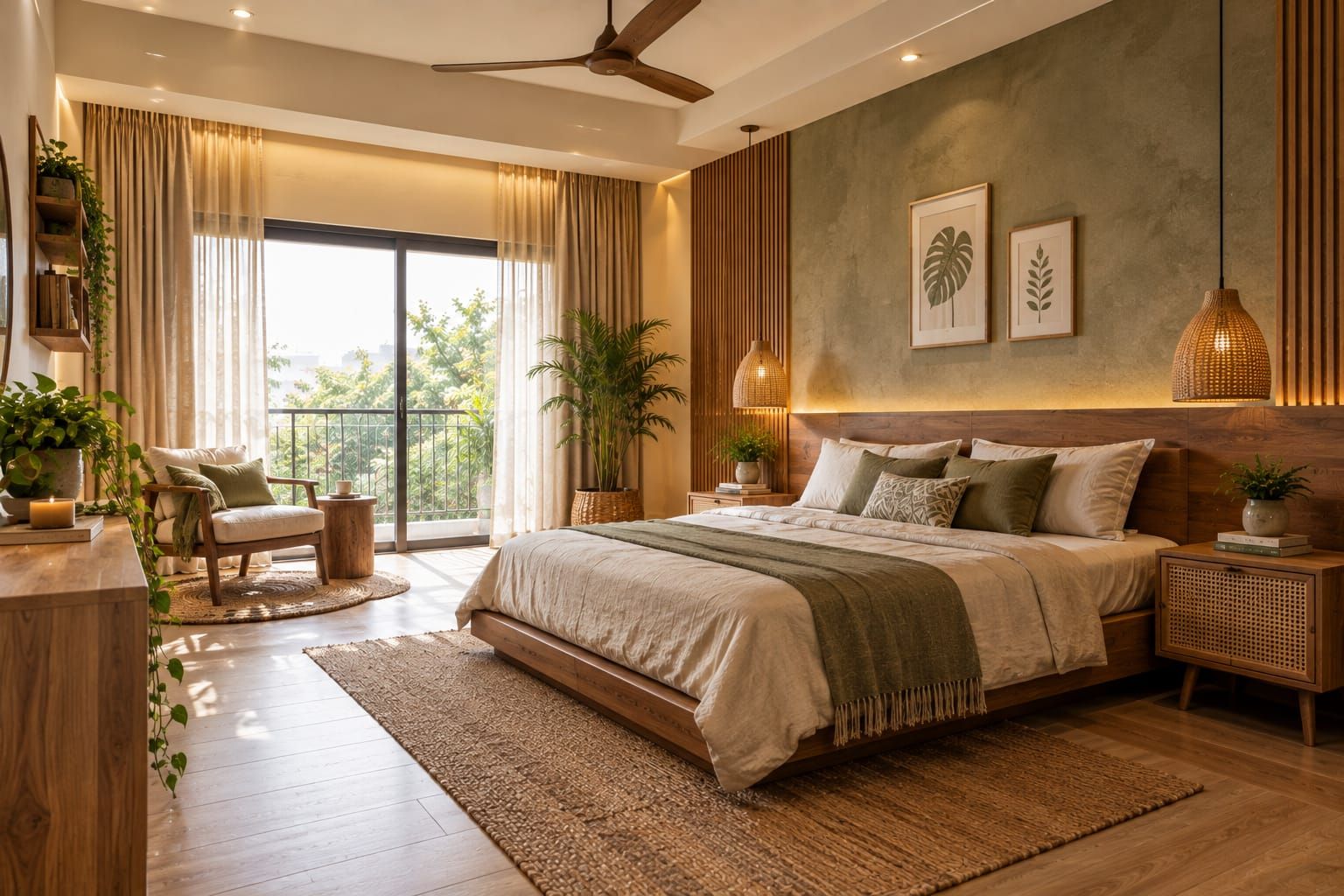
Bamboo and Natural Linen
Bamboo grows quickly, making it one of the most practical renewable materials for interiors. It also has a clean, warm appearance that sits naturally beside linen. Bamboo furniture with linen upholstery, curtains, or cushions feels relaxed and works particularly well in bedrooms and living rooms.
Reclaimed Wood and Recycled Metal
Old timber doesn’t lose its charm with age. In fact, marks, grain variations, and signs of age give the reclaimed wood far more personality than a new surface. Wood brings warmth; metal provides a cleaner edge. Pair it with recycled steel or aluminium for tables, shelving, and storage pieces.
Cork and Wool
Cork deserves far more attention in interior design. Harvested from the bark of cork oak trees without cutting them down, it is a renewable material with several practical benefits. Combining cork flooring with wool carpets or upholstered furniture will provide you with comfort zones. It works well in bedrooms, studies, and other family rooms.
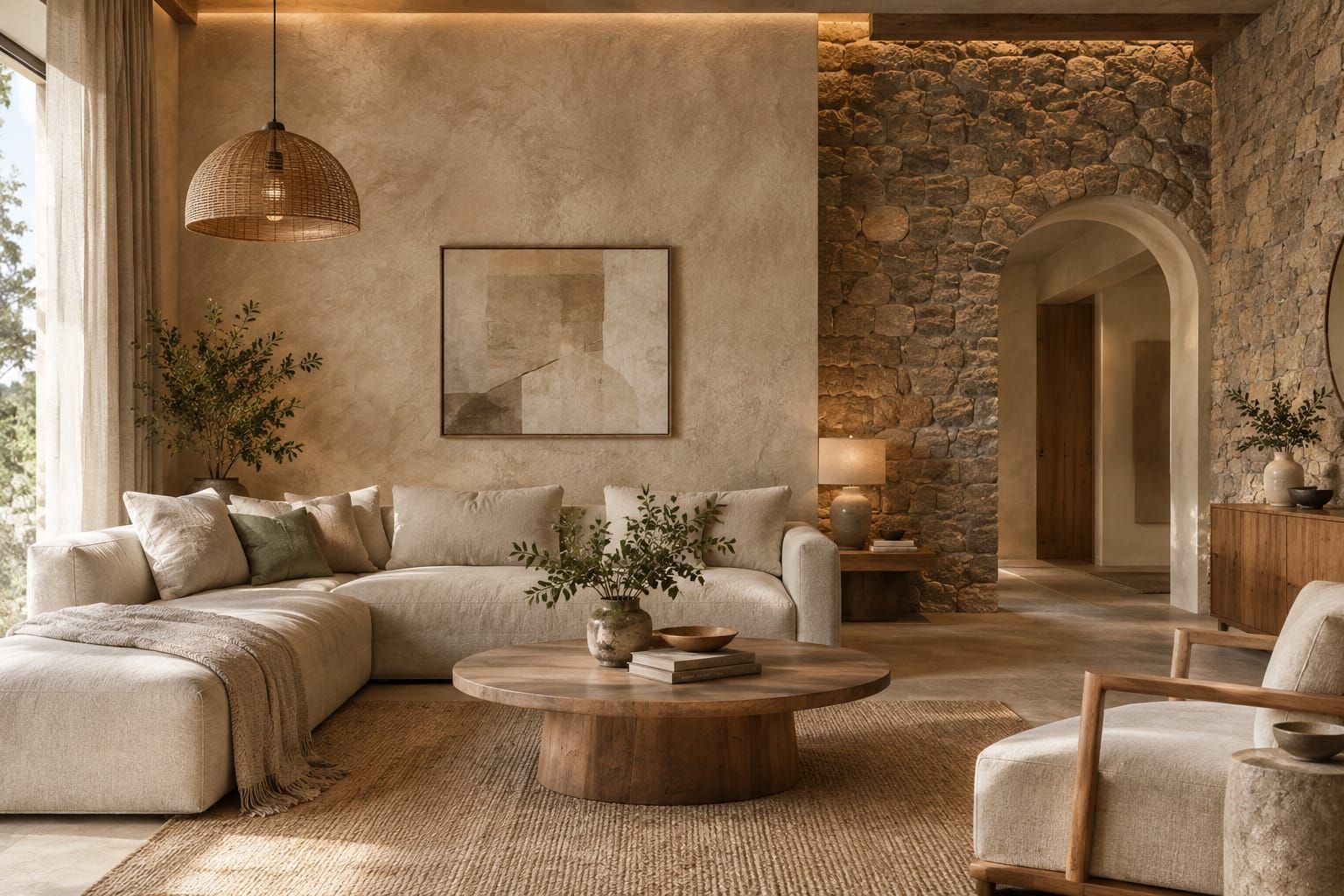
Natural Stone and Recycled Wood
Stone and timber have been used in homes for generations, and there is a reason why this combination continues to stand out. Use natural stone for countertops, flooring, or smaller architectural details and balance its cooler surface with recycled wood cabinetry or furniture.
Recycled Glass and Reclaimed Timber
Recycled glass can introduce color and character without relying on new decorative materials. It is perfect when used together with reclaimed timber in kitchens and bathrooms. One can incorporate glass tiles, terrazzo flooring, or glass decor items to create a contrasting feature against the old wood.
Engineered Wood and Low-VOC Finishes
Wood doesn’t always have to come in the form of solid timber. Responsibly sourced engineered wood uses wood resources more efficiently while providing the strength and consistency needed for flooring, cabinetry, and furniture. Pair it with low VOC paint, stains, and finishes. This is particularly worth considering for spaces where indoor air quality matters just as much as appearance.
Terracotta and Lime Plaster
There is something naturally comfortable about the combination of terracotta and lime plaster. Terracotta tiles add warm, earthy tones, while lime-plastered walls provide a softer finish with subtle imperfections. When used together, these natural materials work especially well in homes that prefer texture and character.
Bamboo and Recycled Glass
Bamboo and recycled glass make an interesting match because they bring completely different qualities into a room. Bamboo cabinetry or furniture provides warmth, while recycled glass countertops, tiles, or accessories introduce a smoother surface. The contrast can work especially well in kitchens where both durability and easy maintenance are important.
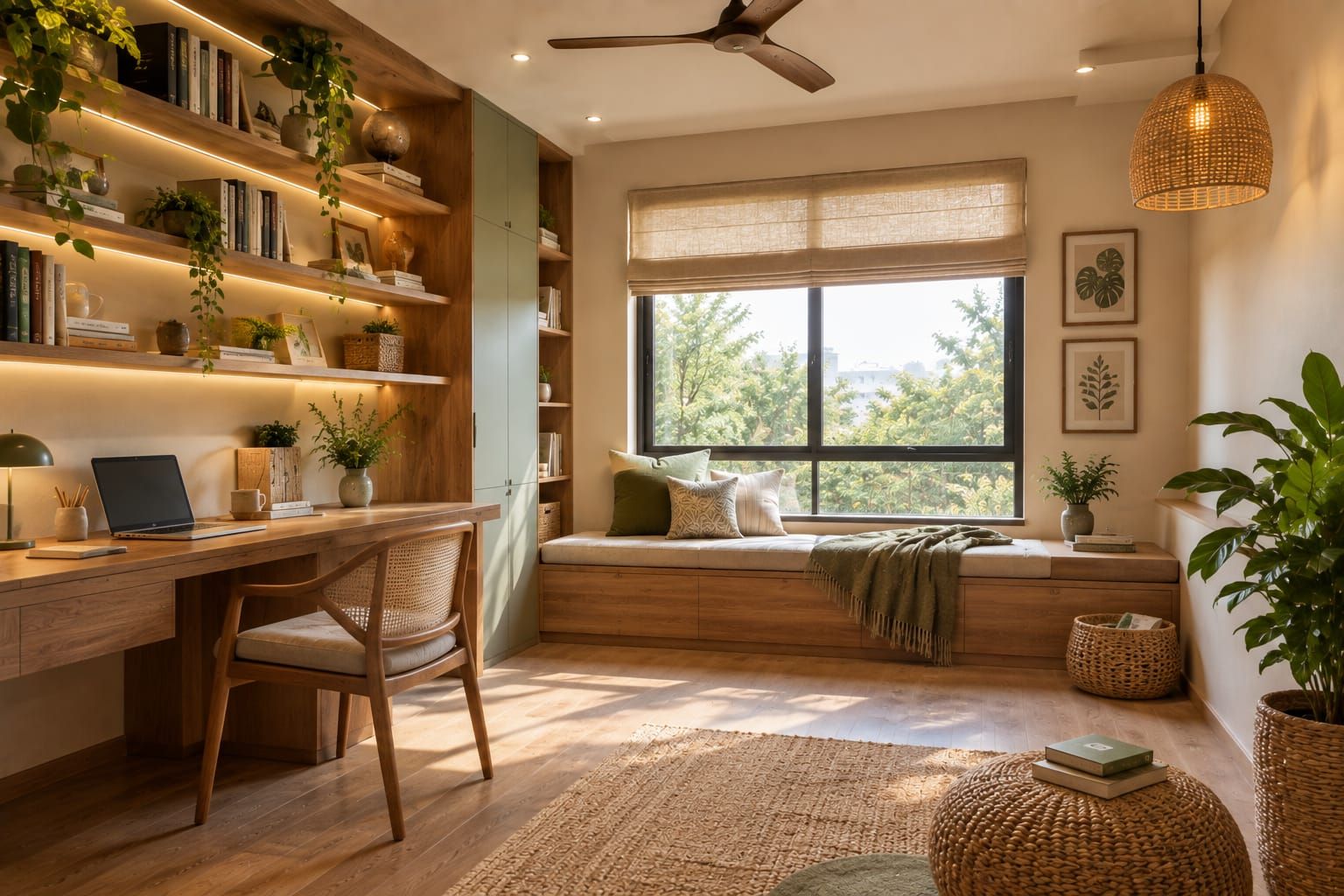
Reclaimed Brick and Natural Wood
Exposed or thoughtfully restored brick can be preserved as a design feature, giving existing materials a new purpose instead of sending them to waste. Combine it with responsibly sourced natural wood for shelving, dining tables, or cabinetry. This pairing works well in sustainable interior design.
Recycled Metal and Natural Stone
Metal and stone create a stronger, more architectural combination. Recycled metal is used in furniture frames, lighting fixtures, shelving units, and hardware, and stone is more suitable for large surface areas. Together, these environmentally friendly construction materials can help to design a modern interior without using much plastic.
Rattan and Organic Cotton
Not every sustainable decision needs to involve structural materials. Furniture and fabric choices should be considered as well. Rattan seating, cabinet doors, baskets, and headboards go wonderfully with organic cotton upholstery and bedding. It can soften eco-friendly furniture and is useful for creating a relaxed mood.
Reclaimed Wood and Low-VOC Paint
Old wooden furniture can be repaired, refinished, or repurposed instead of discarded. Pairing those pieces with walls finished in low VOC paint can refresh a room without replacing everything in it. It’s a practical example of sustainable home design that doesn’t require starting from the initial stages.
Frequently Asked Questions
What are the most versatile eco friendly materials for home interiors?
The most versatile eco friendly home materials include bamboo, reclaimed wood, cork, jute, and natural stone. They are specifically chosen for their warmth and ultimate durability.
Is reclaimed wood stronger than engineered wood?
Generally, yes. Since it comes from mature, slow-grown old-growth trees, reclaimed wood is denser, harder, and has more load-bearing strength. However, when it comes to dimensional stability, engineered wood is better.
Why should I use low VOC paint in my home interiors?
Low VOC paint is perfect for a sustainable home design because it improves indoor air quality and prevents physical irritations. It also reduces harsh chemical smells, making the home safer for kids.
Will a natural stone look good in modern home interiors?
Yes, with clever planning, natural stone can be easily integrated into modern home interior designs, bringing an earthy and grounded feel to your living spaces. It can be used for accent walls, elegant floors, and kitchen countertops.
Final Thoughts
Choosing sustainable materials is about looking beyond appearance alone. Where a material comes from, how long it is likely to last, whether it can be repaired, and what happens to it at the end of its useful life all matter. A thoughtful approach to green home design also means making the most of what you already have.
Planning a more sustainable home?
Explore SpazioLiv for thoughtfully designed pieces that make sustainable home decor feel natural, practical, and beautifully considered.
Book Your Free Consultation